Below are some excellent resources on AI, computational neuroscience, and vision science that I’ve used to develop my courses and that I often suggest to students. I’ll be periodically updating this list!

3blue1brown
(video series introducing neural nets and how to train them, including LLMs)
Welch labs
(deeper dive videos on modern AI, including generative models, and a little history)

AI Resist List
(how communities are resisting AI and a directory of alternatives)
DAIR
(Distributed AI Research Institute)

Neuromatch Academy
(multiple online courses for practical learning of computational neuro and ai research. Really learn how to do it on your own! viewing all content is free, but you can also pay for their real-time courses with instructors. all courses use python as the programming language, which you can learn for free here.)
romain brette’s blog
(on the philosophy and assumptions of computational neuro)
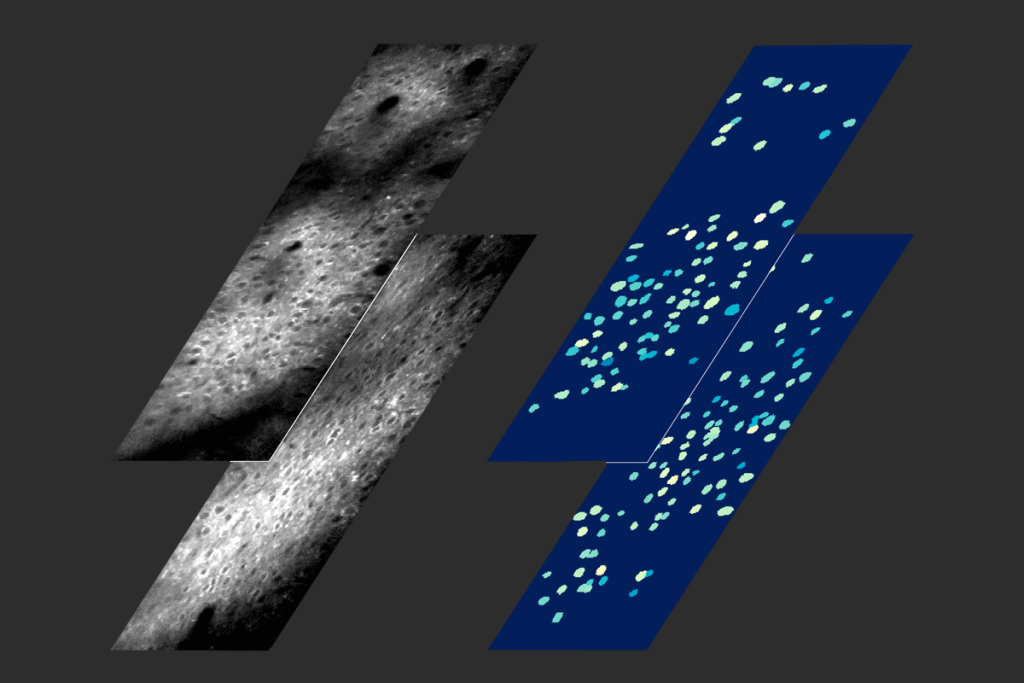
The Transmitter
(current computational neuro news)
transformer circuits
(interpretability research blog from Anthropic themselves)
Visual Perception and the Brain
(online course through Duke and coursera, not free; but excellent vision textbooks that perhaps you can find for free on anna’s archive or libgen include:
1. Eye and Brain: The Psychology of Seeing by richard gregory
2. vision and brain by james v. stone
3. foundations of vision by brian wandel)
The Ancient Secrets of Computer Vision
(online course through UW; they program in c)
stanford cs231n: deep learning for computer vision
(recorded spring 2017 lectures; the course content is updated every year as research advances, and the most recent schedule with new slides are here)

Trevor Paglen and Hito Steyerl
(artists and writers on machine vision and its impact on visual media)